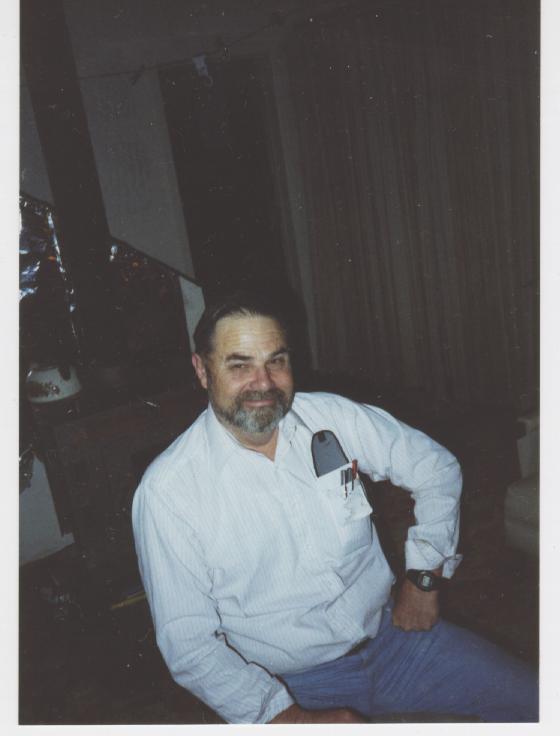
Nevada City, California, 1980s.
I have a friend, call him Carlysle, who lives with his girlfriend Cadence in an old Victorian house on two acres of hilltop surrounded by cedar trees. He has nearby neighbors, but he only sees their houses when he drives up his winding driveway. He's also near several large shopping malls and a freeway, but he can't see or hear them either.
His house will never be featured in Sunset and no one would ever mistake it for a movie set. But it does have one thing, music. Cadence is a performing musician, singer and teacher. Carlysle also sings, plays a little piano and is currently working on the cello. There are lessons or rehearsals in progress and hot and cold running performers are in and out at all times in the old Victorian house. There is no time for distractions like freeway noise and mall lights.
Every now and then Carlysle does strange things. Once he brought home a rabbit. It might have been for Easter, but it wasn't a dead rabbit, something useful, something you could cook for dinner. My, no, this was a live rabbit and so, of course, he had to have a name. Carlysle named him Pierre. Pierre Lapin.
I don't suppose Carlysle gave much thought to where Pierre would live. He knew it wouldn't be in the house with Cadence and him, but he had no suitable hutches or other kind of outbuilding that might do. It was cold in those spring evenings, so Carlysle set up a cardboard box with some rags for warmth and some food for sustenance in his carport. (It would have been a carport, but there was no room for his car since it had an accumulation of other miscellany that grown over previous months. There was barely room for Pierre, and he was not a big rabbit.
Pierre did manage to make it into the house a time or two, but each time he was firmly put back into his box in the carport. Otherwise, he had free range of the large yard. However, dogs roamed the neighborhood, as well as raccoons, cats, and other predators who might be interested in a rabbit entree. Pierre survived several onslaughts but after one particularly perilous occasion, made himself very scarce. It took Carlysle several hours to find him.
Enough was enough, my friend decided. He resolved to put Pierre's box where it would be safe from all the predators. He put the box up in a black oak tree about eight feet off the ground.
But rabbits don't climb trees, not even gifted rabbits. But Carlysle had a plan. He got some ducting, the same kind of tubular material used to vent laundry dryers, and wrapped it around the tree several times so that it led gently from the ground to the box.
“Carl,” I said, “I don't want to hurt your feelings, but that is a genuinely stupid idea.” You see, I knew all about rabbit behavior and Carlysle didn't.
Apparently Pierre didn't know much about rabbit behavior, either, because he walked right into the ducting and waltzed up to his box. A tunnel is a tunnel, right?
MORAL: Just because an idea is stupid, doesn't mean it won't work.
Thursday, August 20, 2009

Sunday, August 9, 2009
Crow
Auburn, California, 1960s.
We've all seen race prejudice in humans before, but I have only seen one race prejudiced horse in my entire life. His name was Crow.
Crow, an appaloosa stallion, was a part of Betty Veal's horse business. People wanting to raise their own appaloosa foal would bring their candidate mare to Betty's ranch, pay their stud fee, and Crow would “cover the mare.”
There was only one thing wrong with this otherwise splendid scheme. Crow did not like grey mares, any of them. He liked bays, seal browns, sorrels, duns, buckskins, grullas, palominos. But he would not cover grey mares. He wouldn't even rouse himself to make the attempt.
What was Betty to do? Tell her customers to keep their money because their mares didn't meet with her stud's aesthetic standards? Refusing or returning someone's stud fee is a disagreeable prospect for anyone in the horse breeding business. But to have your stud become the laughing stock of the county is simply not acceptable.
Betty gave the matter considerable thought. She was a well-educated woman, a successful nurse. She figured that if she couldn't outwit her own stallion, she had better give up horses and take up needlepoint. It turned out to be no major feat to trick Crow.
Crow was particularly fond of one mare. When next Betty had a grey mare to breed, she hid the animal behind a building. Then she stood Crow's favorite lady, decked out in baubles and bangles with cornflowers woven into her mane, just around the corner from the grey. Crow rose to the occasion, as he thought, but before he realized what was happening, Betty had whisked him around the corner and he had covered the grey. Blecch!
I grew to really respect Betty's determination to accomplish a mission. If you have never assisted at a horse breeding, permit me to tell you that a stallion ready to “do the job” is an awesome sight. He rears up, three quarters of a ton of male animal ready for one thing and it isn't taking a walk.
But Betty accomplished the deed, and the grey mare got covered. The wonderful thing was, the trick worked several times. Crow never caught on. And every time it worked, Crow eyed Betty reproachfully. “Aw, ma, you did it again. Durn it.”
But I wouldn't try this trick witåh just any stallion. Crow was actually a pretty good guy.
We've all seen race prejudice in humans before, but I have only seen one race prejudiced horse in my entire life. His name was Crow.
Crow, an appaloosa stallion, was a part of Betty Veal's horse business. People wanting to raise their own appaloosa foal would bring their candidate mare to Betty's ranch, pay their stud fee, and Crow would “cover the mare.”
There was only one thing wrong with this otherwise splendid scheme. Crow did not like grey mares, any of them. He liked bays, seal browns, sorrels, duns, buckskins, grullas, palominos. But he would not cover grey mares. He wouldn't even rouse himself to make the attempt.
What was Betty to do? Tell her customers to keep their money because their mares didn't meet with her stud's aesthetic standards? Refusing or returning someone's stud fee is a disagreeable prospect for anyone in the horse breeding business. But to have your stud become the laughing stock of the county is simply not acceptable.
Betty gave the matter considerable thought. She was a well-educated woman, a successful nurse. She figured that if she couldn't outwit her own stallion, she had better give up horses and take up needlepoint. It turned out to be no major feat to trick Crow.
Crow was particularly fond of one mare. When next Betty had a grey mare to breed, she hid the animal behind a building. Then she stood Crow's favorite lady, decked out in baubles and bangles with cornflowers woven into her mane, just around the corner from the grey. Crow rose to the occasion, as he thought, but before he realized what was happening, Betty had whisked him around the corner and he had covered the grey. Blecch!
I grew to really respect Betty's determination to accomplish a mission. If you have never assisted at a horse breeding, permit me to tell you that a stallion ready to “do the job” is an awesome sight. He rears up, three quarters of a ton of male animal ready for one thing and it isn't taking a walk.
But Betty accomplished the deed, and the grey mare got covered. The wonderful thing was, the trick worked several times. Crow never caught on. And every time it worked, Crow eyed Betty reproachfully. “Aw, ma, you did it again. Durn it.”
But I wouldn't try this trick witåh just any stallion. Crow was actually a pretty good guy.
Monday, August 3, 2009
Sam
Auburn, California, 1960s.
Sam was a gelding we had, part of our menagerie, a huge, sweet gentle brute. Sweet, gentle, kind. He bucked a lot, thereby demonstrating that nobody is perfect.
He was “cinchie.” that was the problem. If you tightened the saddle beyond what he thought proper, he panicked.
Sam was supposed to have been born an appaloosa. Appaloosa is a color type. If your foal is brightly colored, he's worth some money. If he is not so brightly colored, or even lacks the color pattern entirely but has some other distinguishing characteristics, you might be able to do something with him. But if your foal is a clean miss, no appaloosa qualities whatever, you've got dog food on the hoof. Sam was dog food on the hoof.
I don't know what appaloosas are like today, but back in the sixties, they sometimes had ugly heads. Alexander the Great rode a leopard spotted appaloosa named Bucephalus. “Bucephalus” means “cow head” in Greek. Sam didn't have a cow head. He had a suitcase head. Ina Robinson, his breeder, named him “Samsonite.” When we acquired the horse as a two-year-old, his name had been shortened to Sam.
The huge foal grew to be a huge young gelding, 17 hands 2 inches tall. But he was still a teenager. There was a lot of air between the ground and his belly. And sometimes between the saddle and the rider if you didn't get the cinch right. Sam's front legs were close together because his chest had not begun to develop. One rancher friend expressed it well. “So, who cares if his front legs come out of the same hole. Why waste a hole?” But as Sam grew into a real horse, he developed a real chest as well, but the front legs still came out of the same hole.
Joanne used Sam as a trail horse for a while. It had its advantages. For one thing, you ride above the dust raised by the other horses. I'd ride Legend, 15 hands (a ten inch difference there), gasping and wheezing on a hot, windless, breezeless summer day, sneezing dust out of my nose, and Joanne would be serenely above it all, safe on her tall horse.
On the other hand, she sometimes got scraped off on branches the rest of us rode under. Once she got a branch stuck in her boot. She kicked her feet free of the stirrups and hung on like. Sam went on down the trail leaving her dangling like a large, outraged bird while the rest of us proceeded on our dusty way. Joanne chose the correct option, though. Better to dangle from a tree than to come off over Sam's rump. He was a sensitive guy with an energetic way of showing his displeasure. You had to be careful.
Joanne used to brag that she had been thrown too many times to count. But one day Sam panicked because a stirrup touched his cinch and Sam augured her into the ground. Now she says she's only been thrown once. All the other times she just came off the horse.
Sam got over his cinchie ways when he was about five and we sold him to a little girl who was going to use him as a jumper. It wasn't fair, really. There was still so much air between the ground and the horse's belly that all he had to do was lift his feet to clear most obstacles he'd encounter in the jumping arena.
The girl renamed him “Tiny Tim.”
Sam was a gelding we had, part of our menagerie, a huge, sweet gentle brute. Sweet, gentle, kind. He bucked a lot, thereby demonstrating that nobody is perfect.
He was “cinchie.” that was the problem. If you tightened the saddle beyond what he thought proper, he panicked.
Sam was supposed to have been born an appaloosa. Appaloosa is a color type. If your foal is brightly colored, he's worth some money. If he is not so brightly colored, or even lacks the color pattern entirely but has some other distinguishing characteristics, you might be able to do something with him. But if your foal is a clean miss, no appaloosa qualities whatever, you've got dog food on the hoof. Sam was dog food on the hoof.
I don't know what appaloosas are like today, but back in the sixties, they sometimes had ugly heads. Alexander the Great rode a leopard spotted appaloosa named Bucephalus. “Bucephalus” means “cow head” in Greek. Sam didn't have a cow head. He had a suitcase head. Ina Robinson, his breeder, named him “Samsonite.” When we acquired the horse as a two-year-old, his name had been shortened to Sam.
The huge foal grew to be a huge young gelding, 17 hands 2 inches tall. But he was still a teenager. There was a lot of air between the ground and his belly. And sometimes between the saddle and the rider if you didn't get the cinch right. Sam's front legs were close together because his chest had not begun to develop. One rancher friend expressed it well. “So, who cares if his front legs come out of the same hole. Why waste a hole?” But as Sam grew into a real horse, he developed a real chest as well, but the front legs still came out of the same hole.
Joanne used Sam as a trail horse for a while. It had its advantages. For one thing, you ride above the dust raised by the other horses. I'd ride Legend, 15 hands (a ten inch difference there), gasping and wheezing on a hot, windless, breezeless summer day, sneezing dust out of my nose, and Joanne would be serenely above it all, safe on her tall horse.
On the other hand, she sometimes got scraped off on branches the rest of us rode under. Once she got a branch stuck in her boot. She kicked her feet free of the stirrups and hung on like. Sam went on down the trail leaving her dangling like a large, outraged bird while the rest of us proceeded on our dusty way. Joanne chose the correct option, though. Better to dangle from a tree than to come off over Sam's rump. He was a sensitive guy with an energetic way of showing his displeasure. You had to be careful.
Joanne used to brag that she had been thrown too many times to count. But one day Sam panicked because a stirrup touched his cinch and Sam augured her into the ground. Now she says she's only been thrown once. All the other times she just came off the horse.
Sam got over his cinchie ways when he was about five and we sold him to a little girl who was going to use him as a jumper. It wasn't fair, really. There was still so much air between the ground and the horse's belly that all he had to do was lift his feet to clear most obstacles he'd encounter in the jumping arena.
The girl renamed him “Tiny Tim.”
Sunday, July 26, 2009
Ralph and Ken's Bear
I taught with Ralph Henson for many years in the wilds of the San Juan Ridge. I am the "Ken" in this story. We were teaching eighth grade that year, and we took the class on a field trip to Yosemite. (His idea, not mine. I would have gone to Reno. Everyone needs to know about fleshpots.) We had hiked from the valley floor to a camp site near the foot of Half Dome by a flowing river.
The kids set up their tents near a fire pit while Ralph and I set up our tents by the river. We camped there two nights. On the first of them a bear snuffled at my tent and I reflected on what a poor barrier a nylon dome tent made against a determined bear. Or even a negligent one. I also said a prayer of thanks that I didn't have any Fritos with me.
But the next night provided Ralph and me with our brightest, shiningest hour. We had climbed Half Dome that day, and then climbed back down again. What else are you going to do? We were all fairly tired. Ra;lph and I retired to our tents as the kids began to turn in. A few stayed by the diminishing camp fire to tell ghost stories. It looked like the end of a good day.
I hadn't been secured in my nylon mushroom for very long when I heard a whisper. “Ralph. Ralph.”
Ralph and I both came out of our tents to see what was amiss, and there stood Jolene, one of our eighth grade girls, let's call her Karen. “Ralph,” she continued at the whisper, “there's a bear in our camp.” And just to verify her story, a bear stood up behind the girl. The bear, a female, had left two cubs behind to terrorize the children's camp while she followed Karen.
Ralph, thinking quickly, picked up some pine cones and threw them at the bear, shouting, “Go away! Go away!” The bear decided we didn't have any bacon and were very rude besides, and went away.
Meanwhile, Karen bowed her head and said, “All right, Ralph,” and slowly turned away. It made perfect sense to her that she could come to Ralph and complain about a bear in camp and he would throw pine cones at her and tell her to go away. That Ralph. Sometimes he was in such a bad mood. By the time she had turned around, the bear had gone. Karen never knew the bear was there.
Ralph and I took off for the kids' camp armed with nothing more than good intentions. Authorities recommend we don't shoot bears but frighten them away with noise, like banging sauce pans with wooden spoons. We didn't have a sauce pan and wooden spoon. I don't know what we thought we were going to do.
When we arrived at the kid's camp, what a sight greeted our eyes. The she bear and her cubs wandered around the camp as though they owned it. Four girls jumped up and down on a fallen tree shouting, “Bear, bear, bear.” Two boys climbed a tree, but the tree was so small that the top bent down. Josh, the unfortunate bottom boy, kept hitting the bear with his own bottom. Fortunately, this confused rather than irritated the bear.
Many of the other campers, meanwhile, ran around like Keystone Kops, running into each other, cursing, screaming. One boy, Kyle, who had retired early, came out of his tent wondering what all the uproar was. Daniel decided to settle some old scores and smacked Kyle in the nose with bloody, satisfactory results. There was Kyle bleeding all over the place and people were screaming, “My God, the bear got Kyle!” Actually, the only thing the bear got was the marshmallows in Kyle's backpack. He had to carry his stuff back home in a trash bag. He did not have a good day.
And through it all, three sleeping beauties, eighth grade girl children who had brought some funny looking cigarettes with them, slept peacefully through the whole affair. “Bears? What bears?” they asked the next morning.
Amid all the pandemonium, the bear decided that she wasn't going to find any bacon anywhere and she really didn't want to have her cubs hanging around eighth graders anyway. She and her tribe left leaving behind 25 bug-eyed kids and a trashed backpack. And everybody had a good bear story to tell.
The kids set up their tents near a fire pit while Ralph and I set up our tents by the river. We camped there two nights. On the first of them a bear snuffled at my tent and I reflected on what a poor barrier a nylon dome tent made against a determined bear. Or even a negligent one. I also said a prayer of thanks that I didn't have any Fritos with me.
But the next night provided Ralph and me with our brightest, shiningest hour. We had climbed Half Dome that day, and then climbed back down again. What else are you going to do? We were all fairly tired. Ra;lph and I retired to our tents as the kids began to turn in. A few stayed by the diminishing camp fire to tell ghost stories. It looked like the end of a good day.
I hadn't been secured in my nylon mushroom for very long when I heard a whisper. “Ralph. Ralph.”
Ralph and I both came out of our tents to see what was amiss, and there stood Jolene, one of our eighth grade girls, let's call her Karen. “Ralph,” she continued at the whisper, “there's a bear in our camp.” And just to verify her story, a bear stood up behind the girl. The bear, a female, had left two cubs behind to terrorize the children's camp while she followed Karen.
Ralph, thinking quickly, picked up some pine cones and threw them at the bear, shouting, “Go away! Go away!” The bear decided we didn't have any bacon and were very rude besides, and went away.
Meanwhile, Karen bowed her head and said, “All right, Ralph,” and slowly turned away. It made perfect sense to her that she could come to Ralph and complain about a bear in camp and he would throw pine cones at her and tell her to go away. That Ralph. Sometimes he was in such a bad mood. By the time she had turned around, the bear had gone. Karen never knew the bear was there.
Ralph and I took off for the kids' camp armed with nothing more than good intentions. Authorities recommend we don't shoot bears but frighten them away with noise, like banging sauce pans with wooden spoons. We didn't have a sauce pan and wooden spoon. I don't know what we thought we were going to do.
When we arrived at the kid's camp, what a sight greeted our eyes. The she bear and her cubs wandered around the camp as though they owned it. Four girls jumped up and down on a fallen tree shouting, “Bear, bear, bear.” Two boys climbed a tree, but the tree was so small that the top bent down. Josh, the unfortunate bottom boy, kept hitting the bear with his own bottom. Fortunately, this confused rather than irritated the bear.
Many of the other campers, meanwhile, ran around like Keystone Kops, running into each other, cursing, screaming. One boy, Kyle, who had retired early, came out of his tent wondering what all the uproar was. Daniel decided to settle some old scores and smacked Kyle in the nose with bloody, satisfactory results. There was Kyle bleeding all over the place and people were screaming, “My God, the bear got Kyle!” Actually, the only thing the bear got was the marshmallows in Kyle's backpack. He had to carry his stuff back home in a trash bag. He did not have a good day.
And through it all, three sleeping beauties, eighth grade girl children who had brought some funny looking cigarettes with them, slept peacefully through the whole affair. “Bears? What bears?” they asked the next morning.
Amid all the pandemonium, the bear decided that she wasn't going to find any bacon anywhere and she really didn't want to have her cubs hanging around eighth graders anyway. She and her tribe left leaving behind 25 bug-eyed kids and a trashed backpack. And everybody had a good bear story to tell.
Subscribe to:
Posts (Atom)